Cart
0
Lavender: The History, Uses, and Skincare Benefits of a Timeless Flower
Few plants are as loved as lavender. Its soft purple blooms and calming fragrance have been treasured for thousands of years, and today lavender shows up in everything from bedtime sprays to handmade soaps and body butters. Here’s where lavender came from, how people use it, and why it’s a staple in natural skincare.
The History of Lavender
Lavender belongs to the genus Lavandula, part of the mint family, and is native to the Mediterranean, the Middle East, and parts of India. The name is commonly traced to the Latin word lavare, meaning “to wash,” a nod to its long association with bathing and cleanliness.
Ancient beginnings. Lavender has been used for well over 2,000 years. The ancient Egyptians are often credited with using it in perfumes and in embalming practices, and the Greeks and Romans used it to scent their baths, bedding, and laundry.
The Middle Ages and beyond. In medieval Europe, lavender was used as a strewing herb to freshen floors and ward off unpleasant odors. Laundresses laid freshly washed linens over lavender bushes to dry, which naturally perfumed the fabric. Lavender was also grown in monastery gardens, and by the Elizabethan era it was prized in both the kitchen and the garden. Queen Elizabeth I reportedly loved lavender preserves.
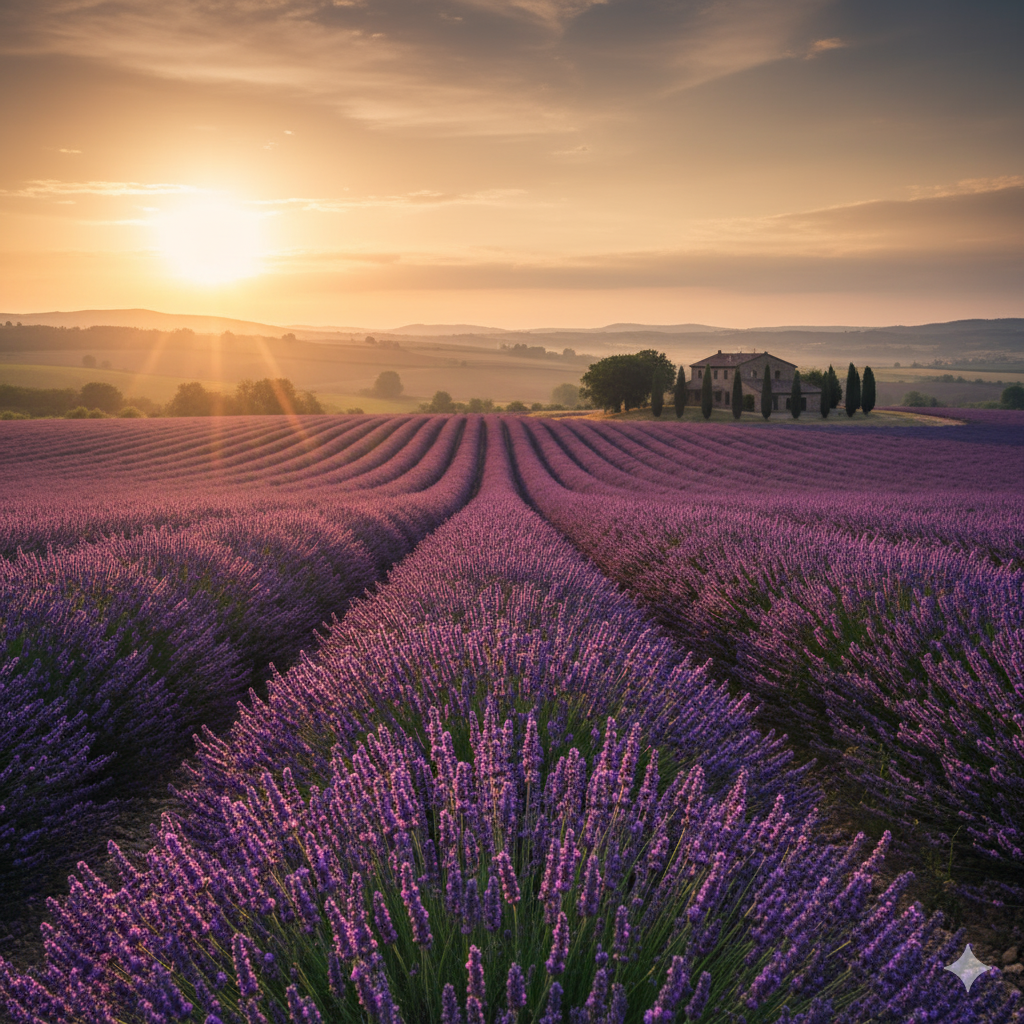
Lavender in the modern era. Provence, France, became world-famous for its endless lavender fields, and lavender farming has since spread to England, Bulgaria, Australia, and the United States, including right here in New England.
Common Uses for Lavender
Lavender is one of the most versatile botanicals around. Some of its most popular uses include:
- Aromatherapy and relaxation. Lavender’s soothing scent is a go-to for winding down, whether in a diffuser, a pillow mist, or a warm bath.
- Sleep routines. Many people add lavender sachets, sprays, or balms to their bedtime ritual.
- Home fragrance. Dried lavender bundles, sachets, and candles keep closets, drawers, and living spaces smelling fresh.
- Cooking and baking. Culinary lavender adds a floral note to shortbread, honey, lemonade, teas, and syrups. Always use food-grade lavender.
- Natural cleaning. Lavender is a popular scent for linen sprays and homemade cleaning products.
- Gardening. Lavender is drought-tolerant, loved by pollinators, and a favorite for borders and herb gardens.

Shop Mimi's Boutique Shower Steamer
Fun Facts About Lavender
- There are around 47 known species of lavender, with hundreds of cultivars.
- Bees and butterflies adore lavender, and lavender honey is a prized specialty.
- Lavender flowers are edible, and their flavor pairs especially well with lemon, honey, and berries.
- Lavender has been used in “lavender wands,” woven stalks that release fragrance for months.
- The color lavender is named after the flower, which ranges in color from deep purple to pink, blue, and even white.
- Lavender is a hardy perennial, so one plant can bloom for many years.
- French lavender fields typically bloom from late June through August, drawing visitors from around the world.
Lavender in Skin Care Products
Lavender is a favorite ingredient in natural skincare for good reason. Used in products like soaps, body butters, body oils, bath bombs, and lip balms, lavender is traditionally valued for:
- A calming sensory experience. The scent turns an ordinary shower or bath into a mini spa moment, which is why lavender is so popular in self-care routines.
- A gentle, clean feel. Lavender has long been associated with cleansing and freshness, making it a natural fit for bar soaps and body washes.
- Skin-friendly pairings. Lavender blends beautifully with nourishing ingredients like shea butter, cocoa butter, oatmeal, honey, and chamomile.
- Bedtime body care. A lavender body butter or body mist is an easy way to build a relaxing nighttime ritual.

Shop Mimi's Boutique Lush Lavender Whipped Body Butter
Lavender essential oil vs. lavender fragrance
Not all lavender products are the same. Products scented with true lavender essential oil (often Lavandula angustifolia) contain naturally occurring plant compounds, while synthetic fragrance oils only imitate the scent. If you prefer natural skincare, check the ingredient list for the botanical name or “lavender essential oil.”
A quick note on sensitive skin
Even natural ingredients can irritate some people. Lavender essential oil contains naturally occurring compounds, such as linalool, that can cause reactions in sensitive individuals. If you have sensitive skin or allergies, patch test a new product on a small area first and discontinue use if irritation occurs.
How to Add Lavender to Your Routine
- Shower: Use a lavender-scented soap or shower steamer to start or end your day.
- Evening wind-down: Add a lavender bath bomb to a warm bath.
- After-bath care: Follow with a lavender body butter or body oil to lock in moisture.
- Throughout the day: Keep a lavender body mist or lip balm on hand for a quick calming moment.

Shop Mimi's Boutique Lavender Body Mist
Final Thoughts
From ancient Roman baths to modern self-care shelves, lavender has stood the test of time. It’s beautiful, versatile, and endlessly comforting, so it’s no wonder it remains one of the most beloved botanicals in natural skincare.
Ready to bring a little calm into your routine? Shop Mimi's Boutique "All Things Lavender" Gift Box Here